Understanding Odour Control Guidelines in Wastewater Treatment Plants
Published : 17 Aug 2025
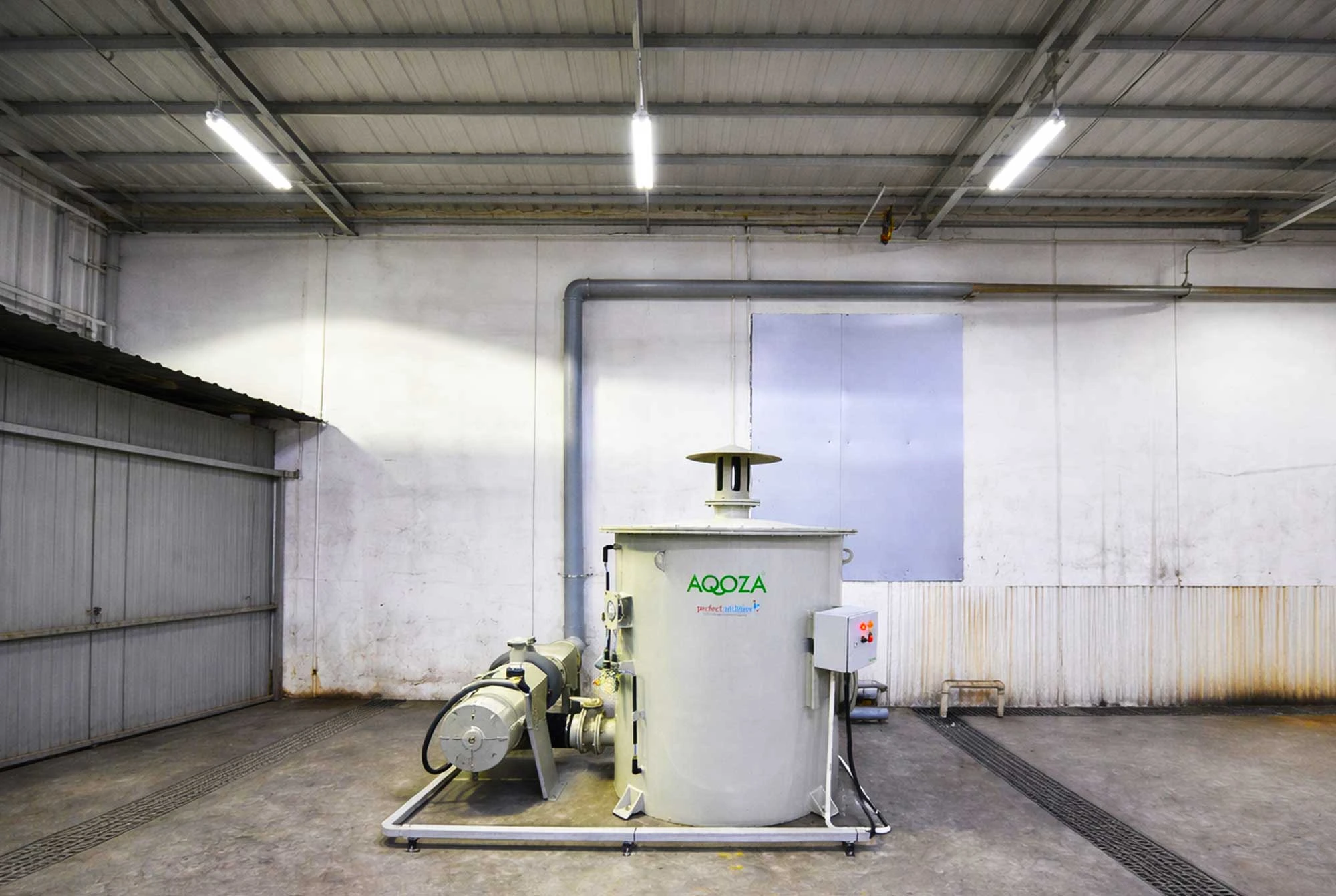
Why Odour Control Guidelines Are Important
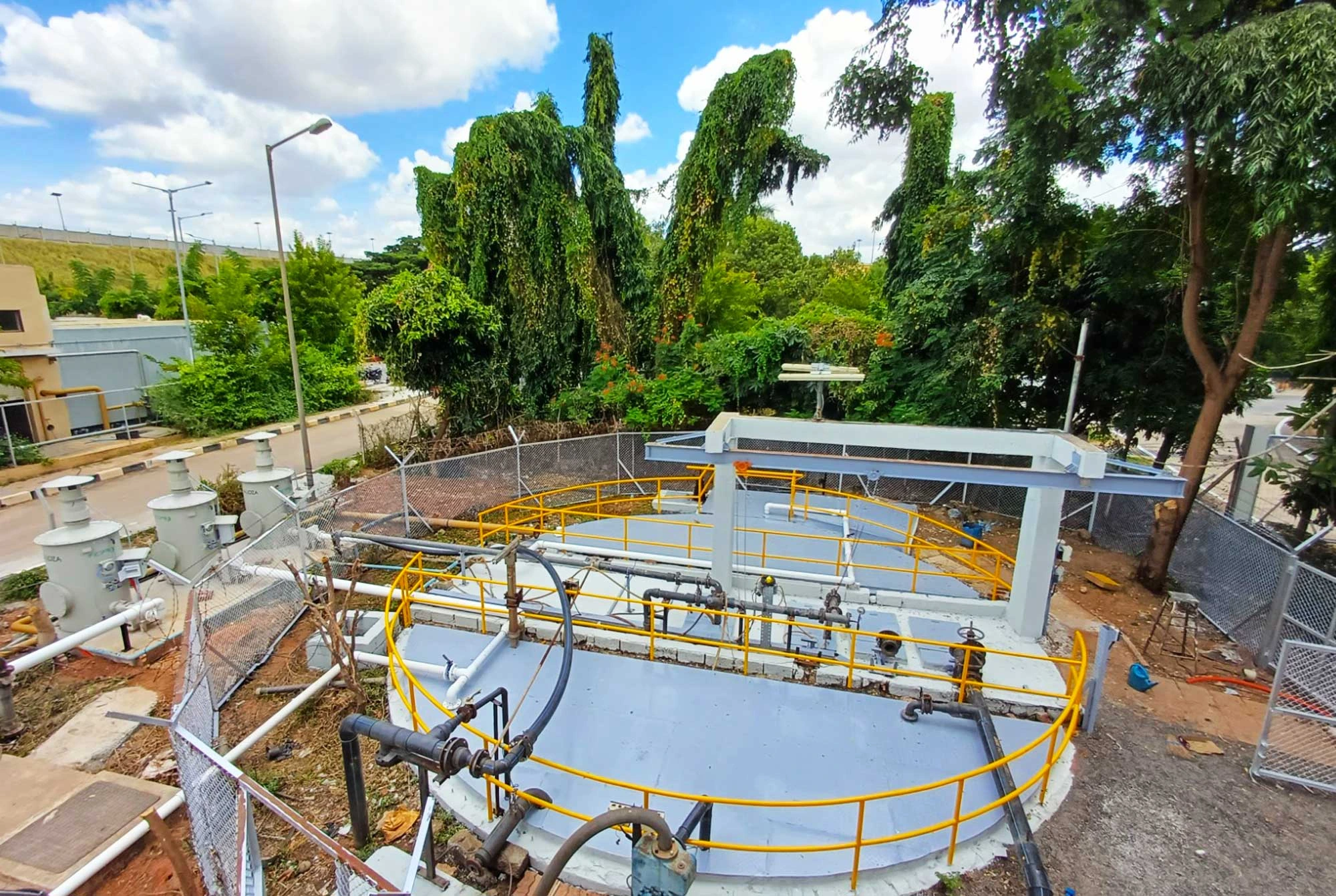
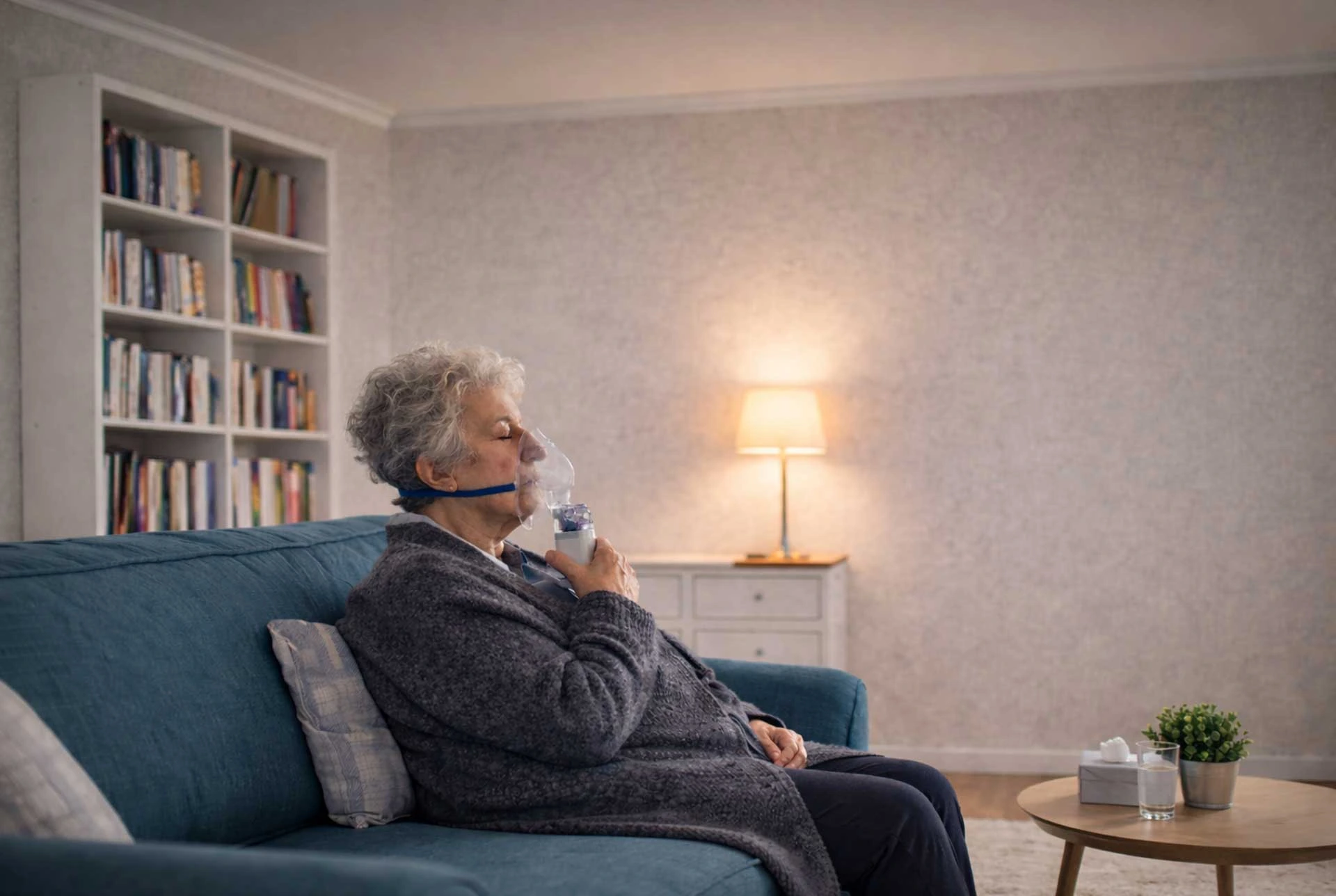
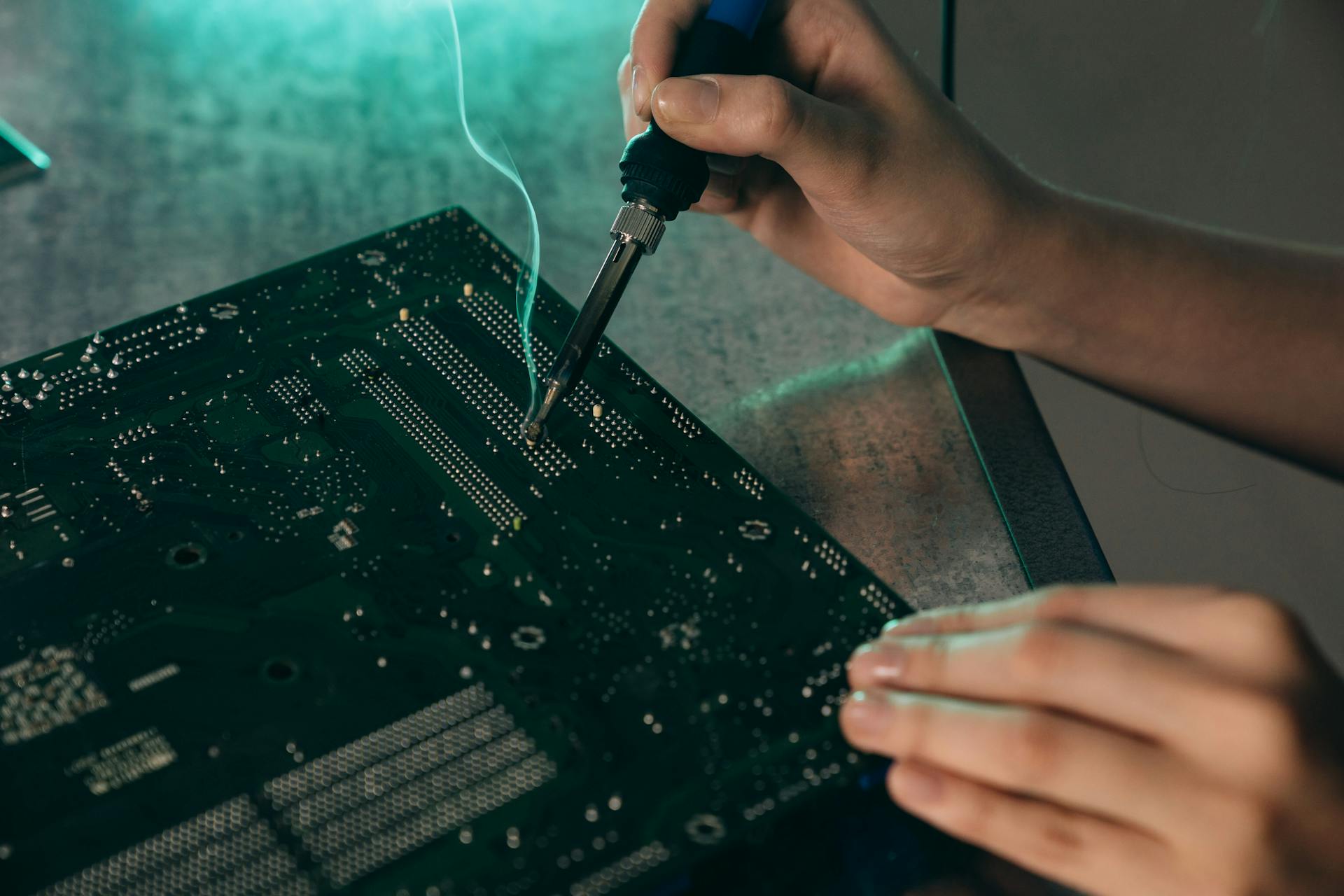
Wastewater treatment plants (WWTP) including Sewage treatment plants (STP) and Effluent treatment plants (ETP) often emit strong, unpleasant odours due to the release of gases generated during the decomposition of organic waste and chemical reactions in the treatment process. These emissions, when it is left unchecked, can affect the health and comfort of operators and the residents nearby, it can corrode sensitive electronic equipment, and lead to complaints from nearby communities.
To address these concerns, regulatory bodies like the CPCB (India), EPA (USA), and WEF (global) have established structured odour control guidelines. These guidelines not only define how facilities should monitor and treat gaseous emissions but also guide the design and performance expectations for odour control units (OCUs).
For a waste water treatment plant, the gaseous emissions could vary depending on the waste that is coming in for treatment. For an STP, which handles only sewage, the gases emitted are known and will not vary compared to an ETP, where different chemicals come in for treatment depending on the nature of industry in which it is operated.
Hydrogen Sulfide (H₂S), which is not only the most common odour-causing agent but also highly corrosive and hazardous even at low concentrations is a critical gas which causes odour nuisance in WWTP. International benchmarks and best practices now recommend that OCUs must be designed to maintain H₂S concentrations at the outlet below 1 ppm, especially in sensitive areas like control rooms or public-facing zones.
Implementing the guidelines would help to eradicate the problem at source.
This could ensure:
- Protection of public and occupational health
- Prevention of environmental nuisance
- Compliance with legal standards
- Long-term protection of infrastructure and electronic assets
Odour Control Guidelines
Odour management in wastewater treatment plants is a key environmental and operational concern, but there is no universal regulatory standard that mandates a specific concentration limit for odorous gases like Hydrogen Sulfide (H₂S) at the outlet.
However, several global and national organizations provide guidance documents and tell of best practices that are widely followed by the industry. Some are as stated below:
- EPA (USA): While the U.S. EPA does not prescribe a fixed odour limit nationally, it provides detailed design and monitoring guidance through documents like the Odor Control Manual. Enforcement is largely delegated to state and local air quality boards, many of which treat odour as a public nuisance and apply local emission norms.
- WEF (Water Environment Federation): The Manual of Practice 25 (MOP 25) is an industry-standard reference that outlines engineering strategies for odour control. It recommends achieving outlet H₂S concentrations of less than 1 ppm as a performance benchmark, especially near sensitive receptors like residential areas or control rooms.'
- CPCB (India): The Central Pollution Control Board of India acknowledges odour as a critical issue in sewage and effluent treatment plants. While there is no fixed ppm limit at the national level, CPCB guidelines encourage the use of odour abatement technologies and monitoring, with some state pollution control boards (SPCBs) and municipal agencies (e.g., Delhi Jal Board) adopting <1 ppm H₂S as a practical performance requirement in tender specifications.
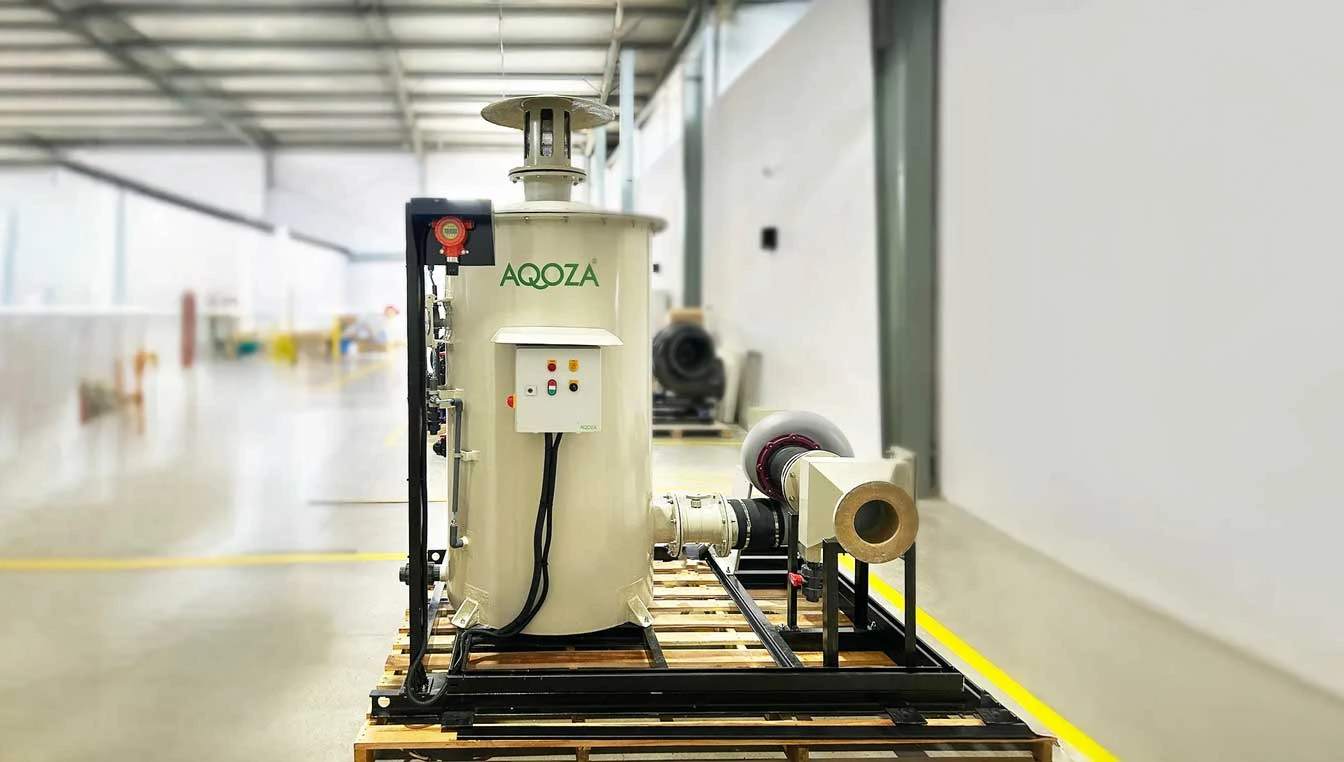
What is the best practice to follow for the design of Odour Control Units?
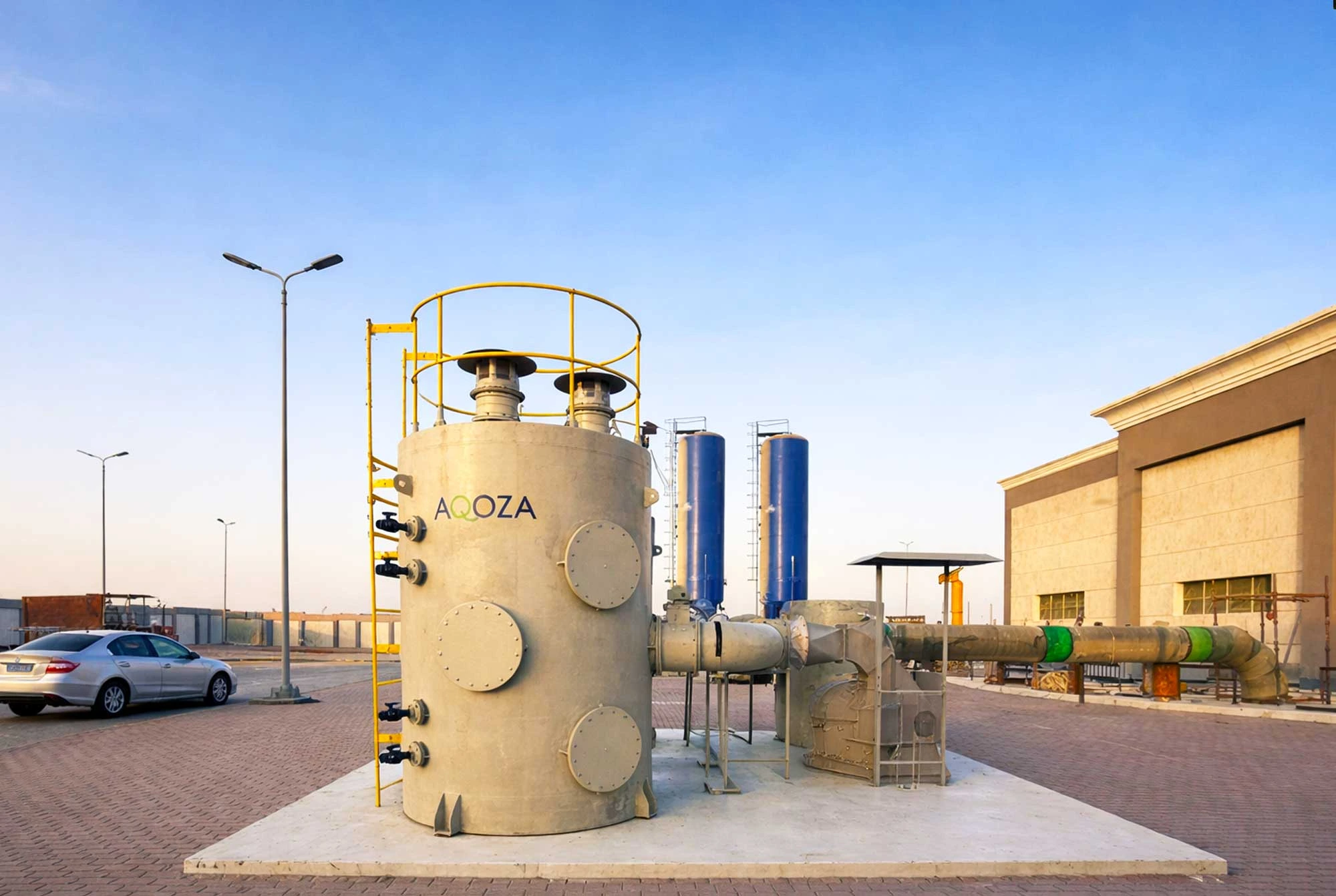
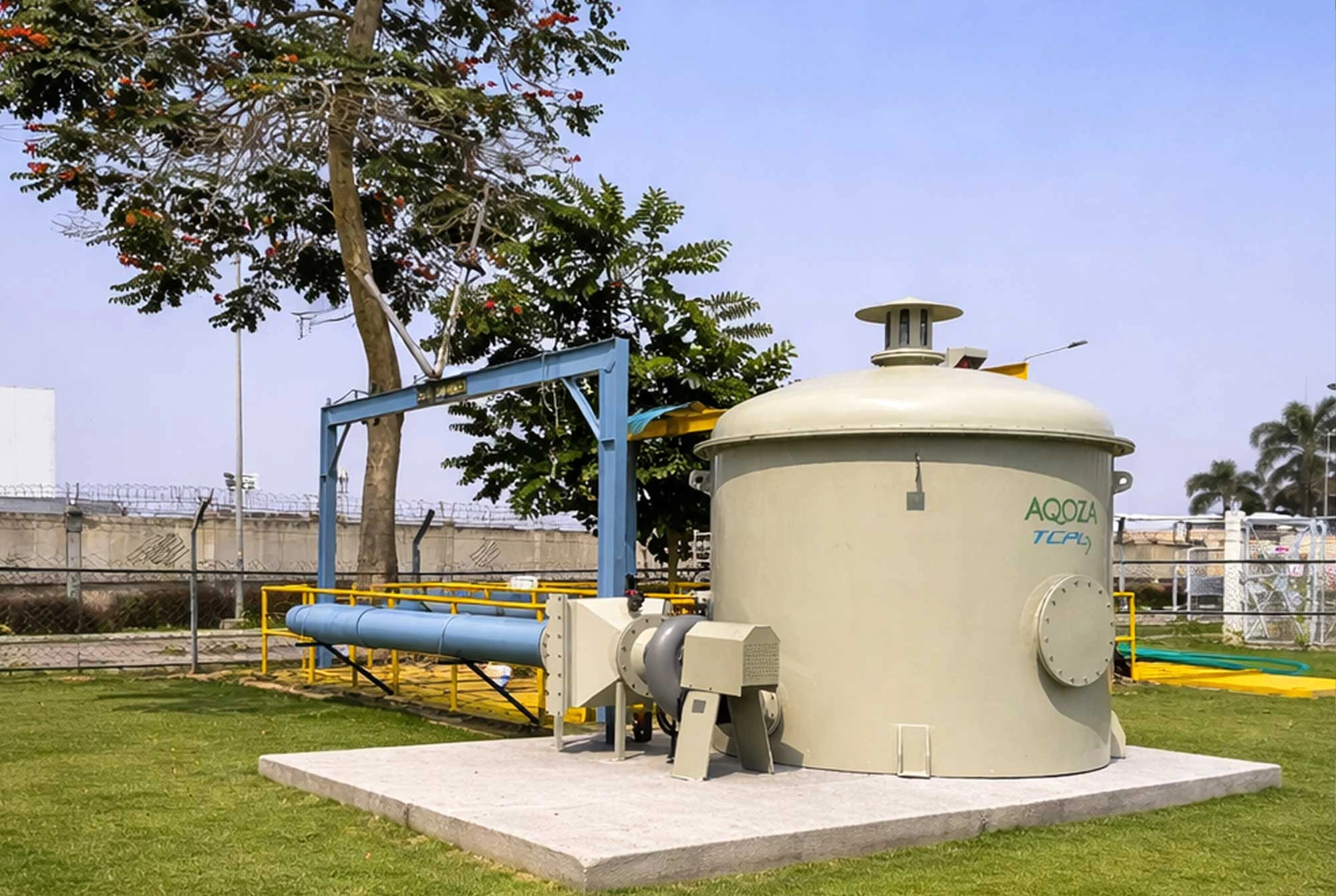
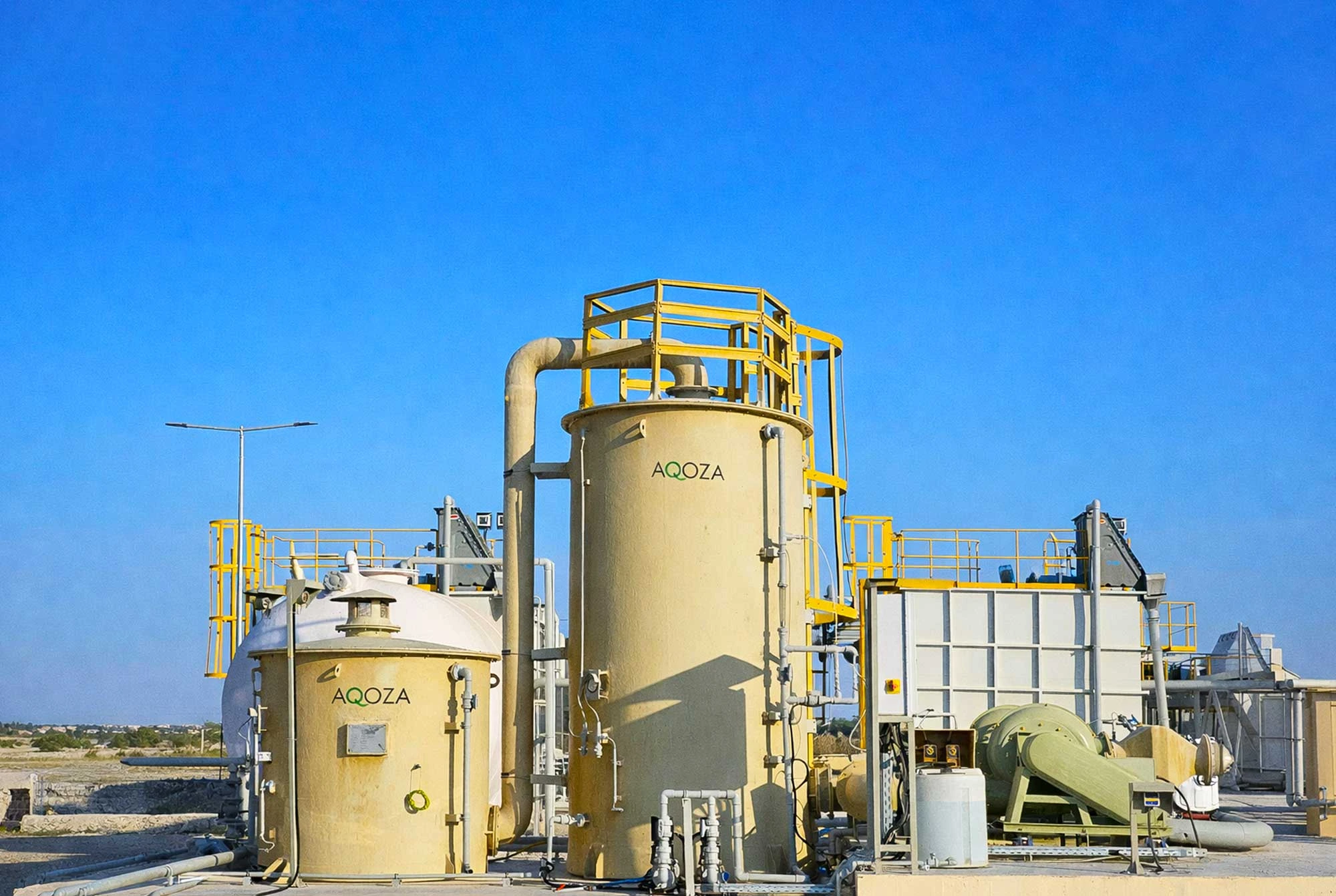
In the absence of universally binding ppm-level targets, the best industry practice is to design Odour Control Units (OCUs) to achieve an H₂S outlet concentration of less than 1 ppm.
This ensures:
- Worker and community safety
- Equipment longevity
- Compliance with tender and environmental performance expectations
This benchmark is widely accepted across tenders globally, by different authorities and consultants, and aligns with the performance expectations set by engineering and environmental authorities.
Why Following These Guidelines are Important and How to Achieve It
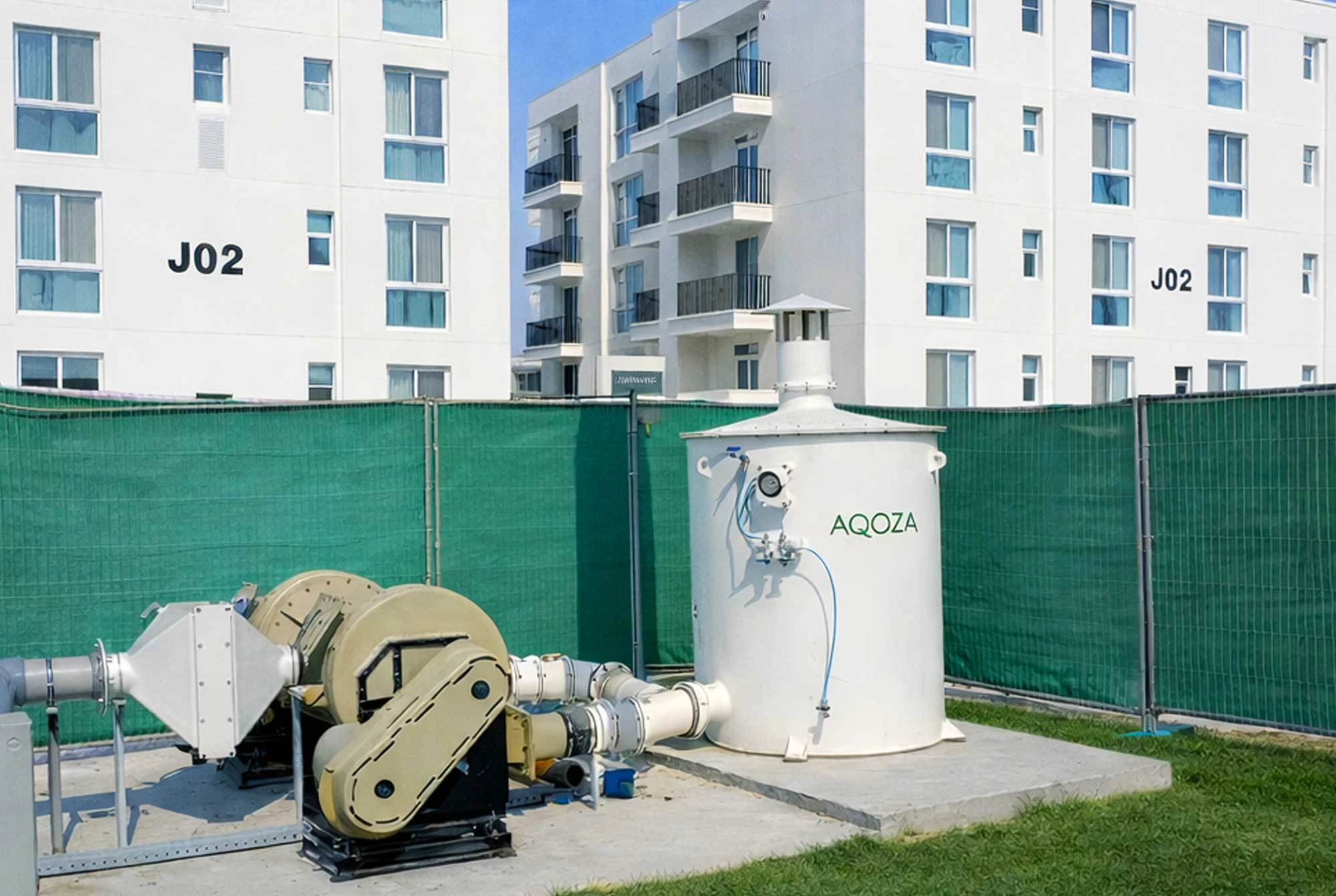
Maintaining odour control guidelines is important to protect health, prevent complaints or legal issues, and helps in smooth operation. Regular monitoring helps identify the main sources of odours, while effective solutions like Odour Control Units (OCUs) remove harmful gases such as hydrogen sulfide, VOCs and mercaptans before they cause problems. With proper maintenance, integrating OCUs ensures a reliable and practical way to meet guidelines.
To learn more about how Odour Control Systems can help your facility, feel free to contact us for expert advice and solutions tailored to your needs.
ALSO READ
- Learn about EPA, WEF, and CPCB guidelines regarding odour.
- Explore how AQOZA provides solutions for odour control.
- Want to know more about AQOZA?