Five Factors Affecting Electronic Corrosion in Data Centers, Server and Control Rooms
Published : 04 May 2022
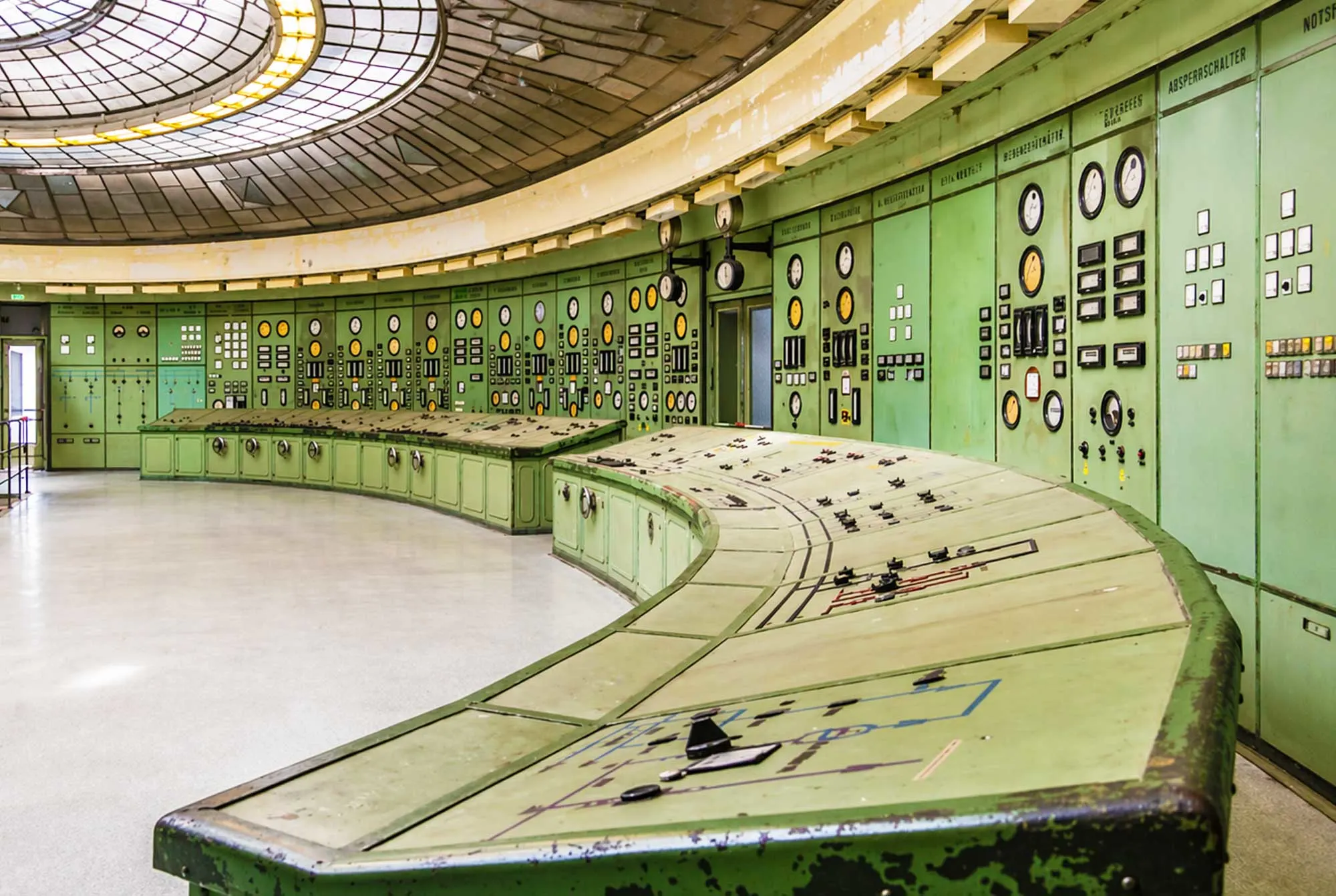
Electronic corrosion is a continuous process occurring always in a gradual but subtle manner where electronic gadgets are concerned. Corrosion control is one big necessary step taken by data centers or any facilities with server or control rooms throughout the world since it has a big dependency on electronic performances. Even a small equipment failure or downtime of the facility due to corrosion will be a costly affair for the data centers.
But how are electronics getting corroded in the first place? Let us look at some top and important factors that cause electronic corrosion, especially in data centers.
1. Location of the Data Center Facility
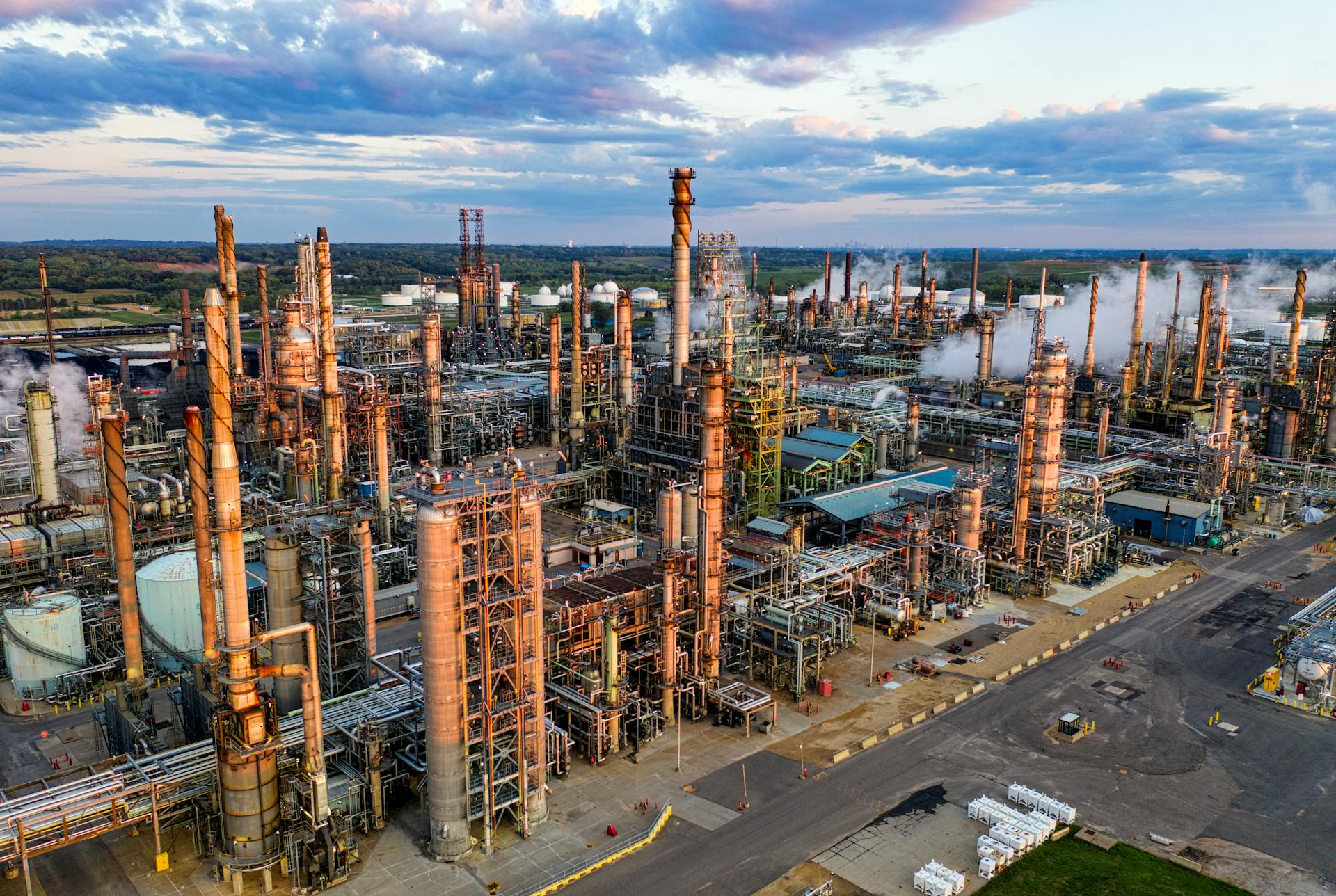
Location plays a very important role in corrosion. The proximity of the facility within the following places:-
- High temperature locations
- Landfill sites
- Process Industries
- Sewers/ Drains
- High density traffic
- Polluted environment
These surroundings are leading sources of gaseous contaminants such as Hydrogen Sulphide (H₂S), Sulphur Dioxide (SO₂), Nitrogen Oxides (NOx), Chlorine, and Ammonia, all of which are highly aggressive towards copper, silver, and other metal contacts found in electronic components. A data center located near an industrial zone or wastewater facility, for example, is constantly at risk of drawing these corrosive gases indoors through its HVAC intake systems, even when the building appears sealed.
Facilities in such locations require high-grade corrosion monitoring and control measures as a baseline, not an afterthought.
2. Active Airborne Contaminants
Even in locations that appear clean, the indoor air of a data center or control room can carry a wide range of airborne contaminants that directly attack electronic surfaces. These contaminants fall into two broad categories:
Gaseous contaminants such as:
- Hydrogen Sulphide (H₂S) : attacks copper and silver contacts, forming conductive sulphide layers that cause short circuits
- Sulphur Dioxide (SO₂) and Nitrogen Dioxide (NO₂) : common in urban and industrial air, both accelerate metal oxidation
- Chlorine and Chlorides : highly corrosive to copper circuits and solder joints
- Ammonia : particularly damaging in facilities near agricultural zones or wastewater infrastructure
Particulate contaminants such as:
- Dust, soot, and carbon particles that settle on circuit boards and trap moisture
- Conductive particles that bridge circuit pathways and cause short circuits
- Hygroscopic particles that attract and retain humidity, accelerating electrochemical corrosion
The infiltration of these contaminants at concentrations as low as parts per billion (ppb) is sufficient to initiate corrosion on electronic components. This is why regular air quality assessment and gas phase filtration are essential — not optional — in critical electronic environments.
3. Lead-Free Regulation
One of the most significant but least discussed factors contributing to increased electronic corrosion in modern data centers is the global shift to lead-free electronics.
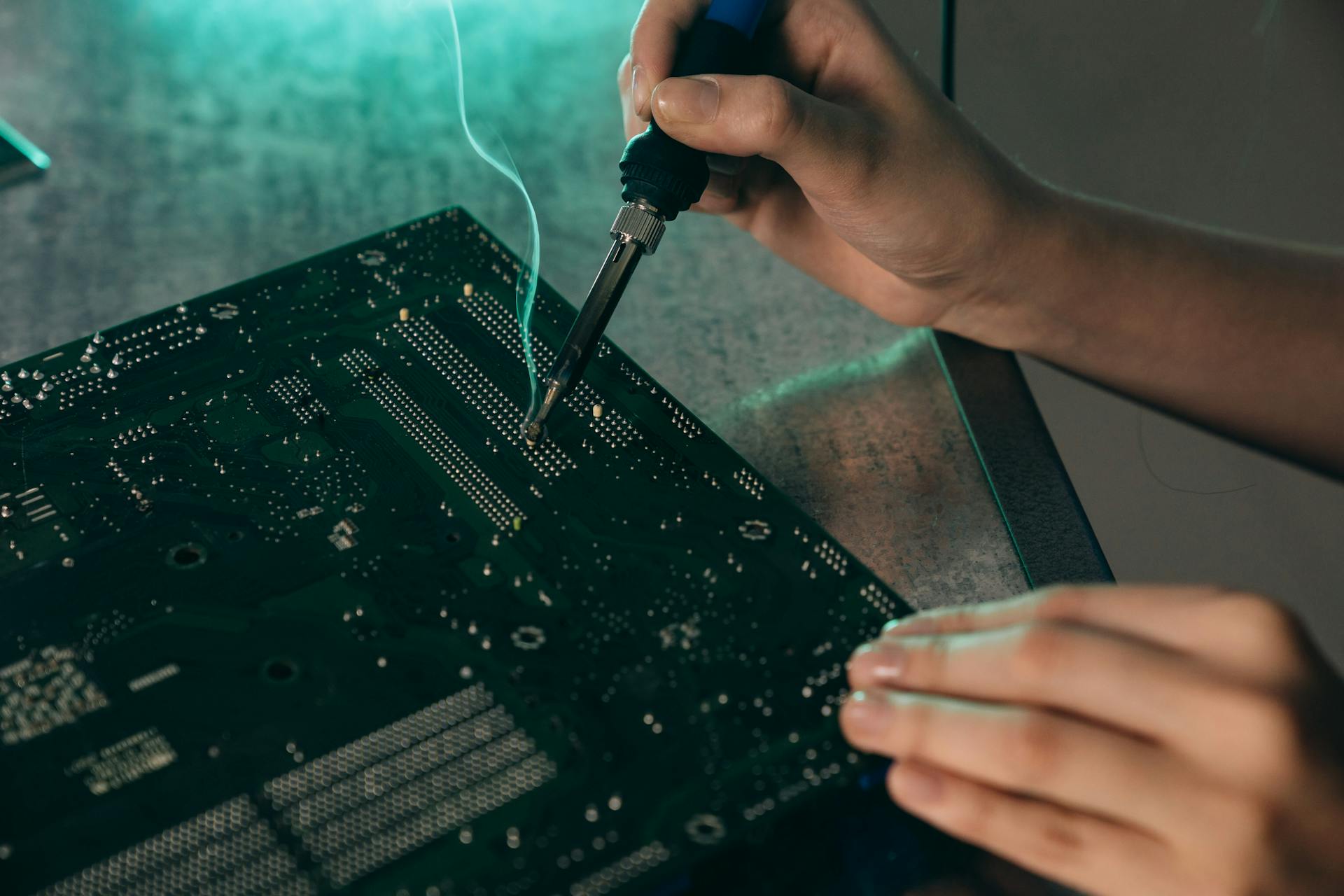
Prior to 2003, solder used in electronic circuit boards contained lead (Pb), which is a highly corrosion-resistant element. The adoption of the European Union's RoHS (Restriction of Hazardous Substances) Directive in 2003, and its subsequent adoption across other countries in following years, banned the use of lead in electronics manufacturing on environmental and health grounds.
While this was a positive step for environmental safety, it had an unintended consequence: lead-free solder alloys, predominantly tin-silver-copper (SAC) compositions, are significantly more susceptible to corrosion than their lead-based predecessors. Tin in particular is prone to forming tin whiskers and oxidising rapidly in the presence of corrosive gases, creating new failure pathways that were rare in older lead-based systems.
This regulatory shift means that all modern electronic equipment operating in data centers, server rooms, and control rooms today is inherently more vulnerable to corrosive environments than the equipment it replaced. This has made active corrosion management not just good practice but a critical operational necessity for any facility running modern electronics.
4. Working Condition of the Facility
The day-to-day operational conditions within a data center or control room create their own internal environment that can either accelerate or moderate corrosion rates. Several working condition factors directly influence how aggressively corrosion develops:
Temperature: Higher operating temperatures increase the rate of chemical reactions, including corrosive reactions on metal surfaces. Server rooms that run hot accelerate the formation of corrosion by-products on circuit contacts and solder joints.
Relative Humidity (RH): Humidity is one of the most critical drivers of electrochemical corrosion. When relative humidity exceeds 50–60%, moisture films form on electronic surfaces, creating an electrolytic pathway that dramatically accelerates corrosion. Conversely, very low humidity can cause static build-up and tin whisker growth. Maintaining humidity within the recommended 40–55% RH range is essential.
Air Circulation and HVAC Management: Poorly designed or maintained HVAC systems can introduce outside contaminants into the facility, distribute corrosive gases throughout the room, or create localised hot and humid zones that accelerate corrosion in specific rack areas. Unfiltered fresh air intake is one of the most common pathways for corrosive gas ingress.
Human Activity: Maintenance activities, cleaning chemicals, construction or renovation work near or within the facility, and even the presence of personnel can introduce contaminants including acids, solvents, and particulates into the controlled environment.
Ensuring that the facility's working conditions, of temperature, humidity, airflow, and access protocols, are actively managed and monitored is fundamental to keeping corrosion rates within acceptable limits.
5. Use of Corrosion Monitoring and Control Equipment
Perhaps the most decisive factor in whether a data center or control room suffers from corrosion-related equipment failures is whether it has the right monitoring and control systems in place. Without measurement, corrosion is invisible, damage accumulates silently until hardware fails unexpectedly.
Corrosion Monitoring establishes the baseline and tracks trends. Using tools like the AQOZA CORROSENSE Active 2.0, facilities can measure indoor air corrosivity in real time using Electrical Resistance (ER) technology, classifying the environment against ANSI/ISA-71.04-2013 severity levels (G1 Mild, G2 Moderate, G3 Harsh, GX Extreme). For facilities beginning their corrosion assessment journey, passive corrosion coupons (such as AQOZA ER P01) offer a straightforward 30-day survey with laboratory-grade analysis, identifying the corrosive gases present and the severity level of the environment.
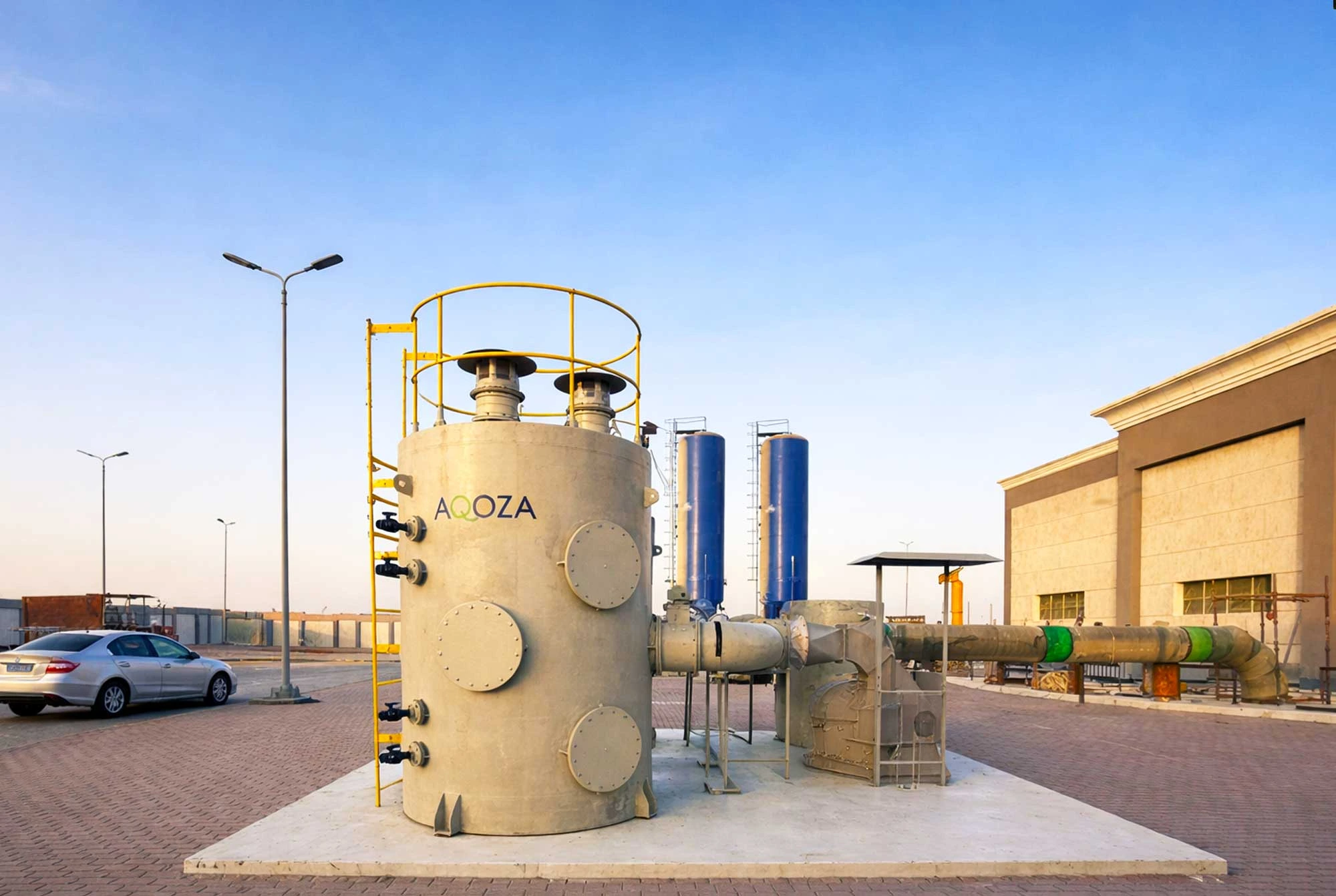
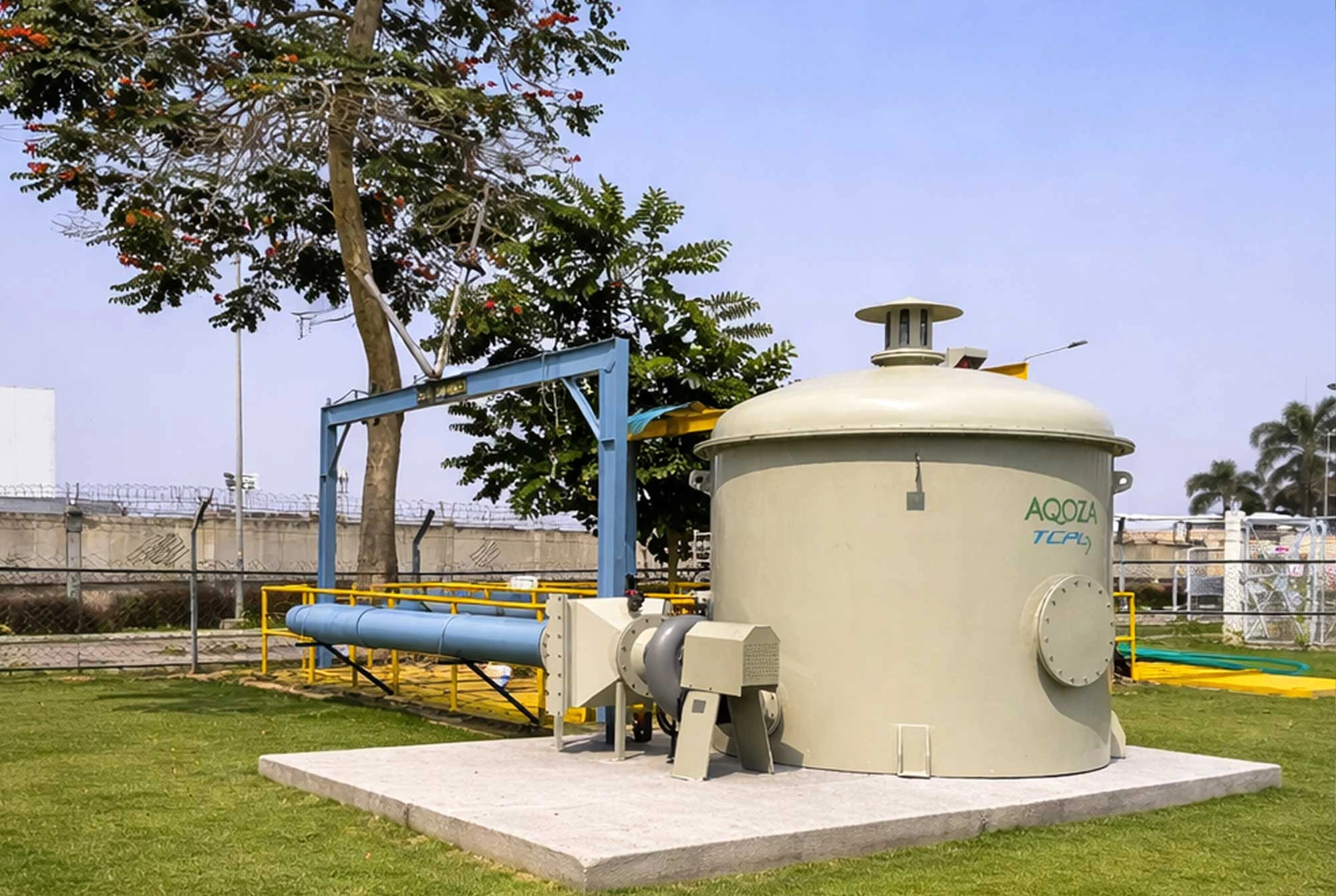
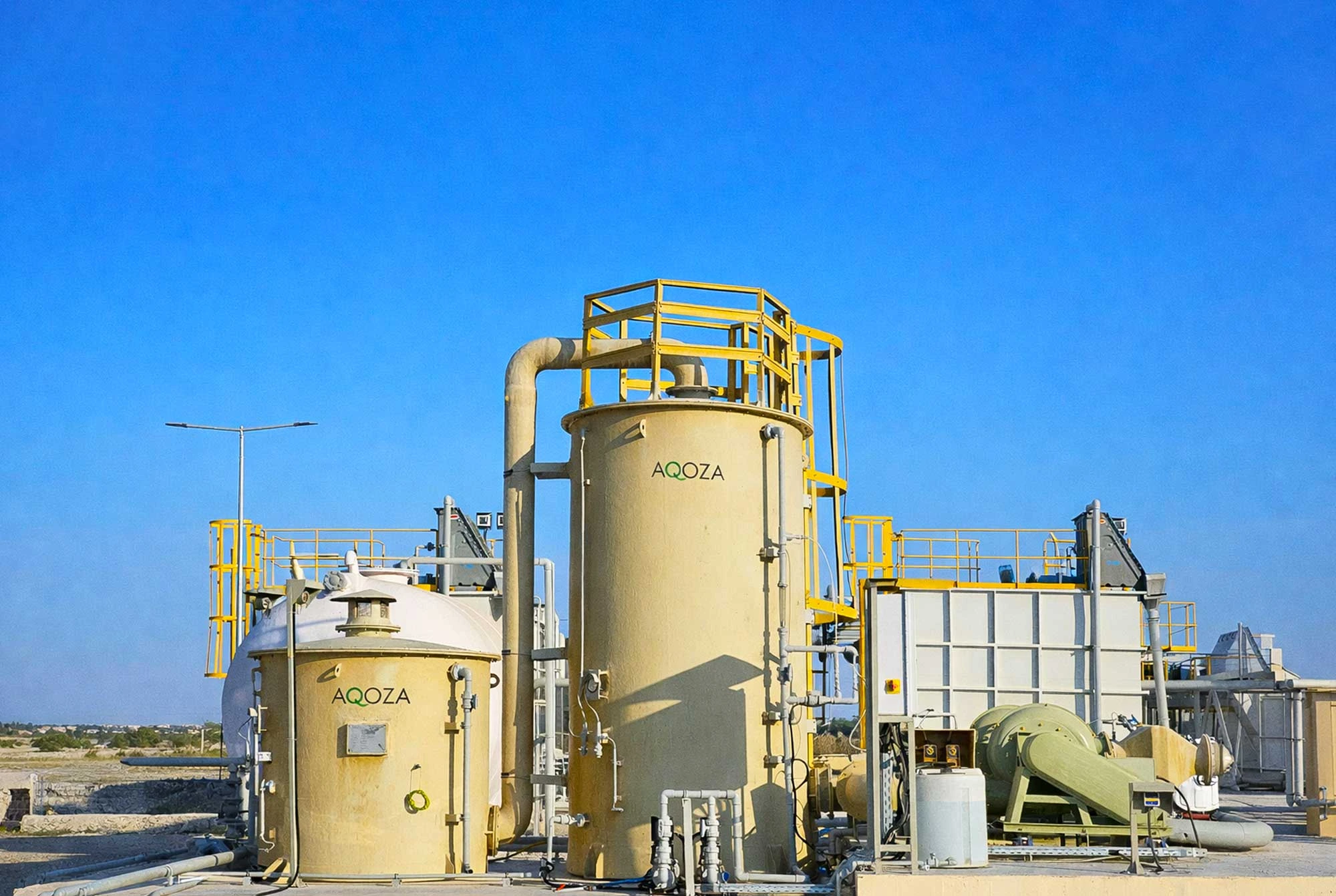
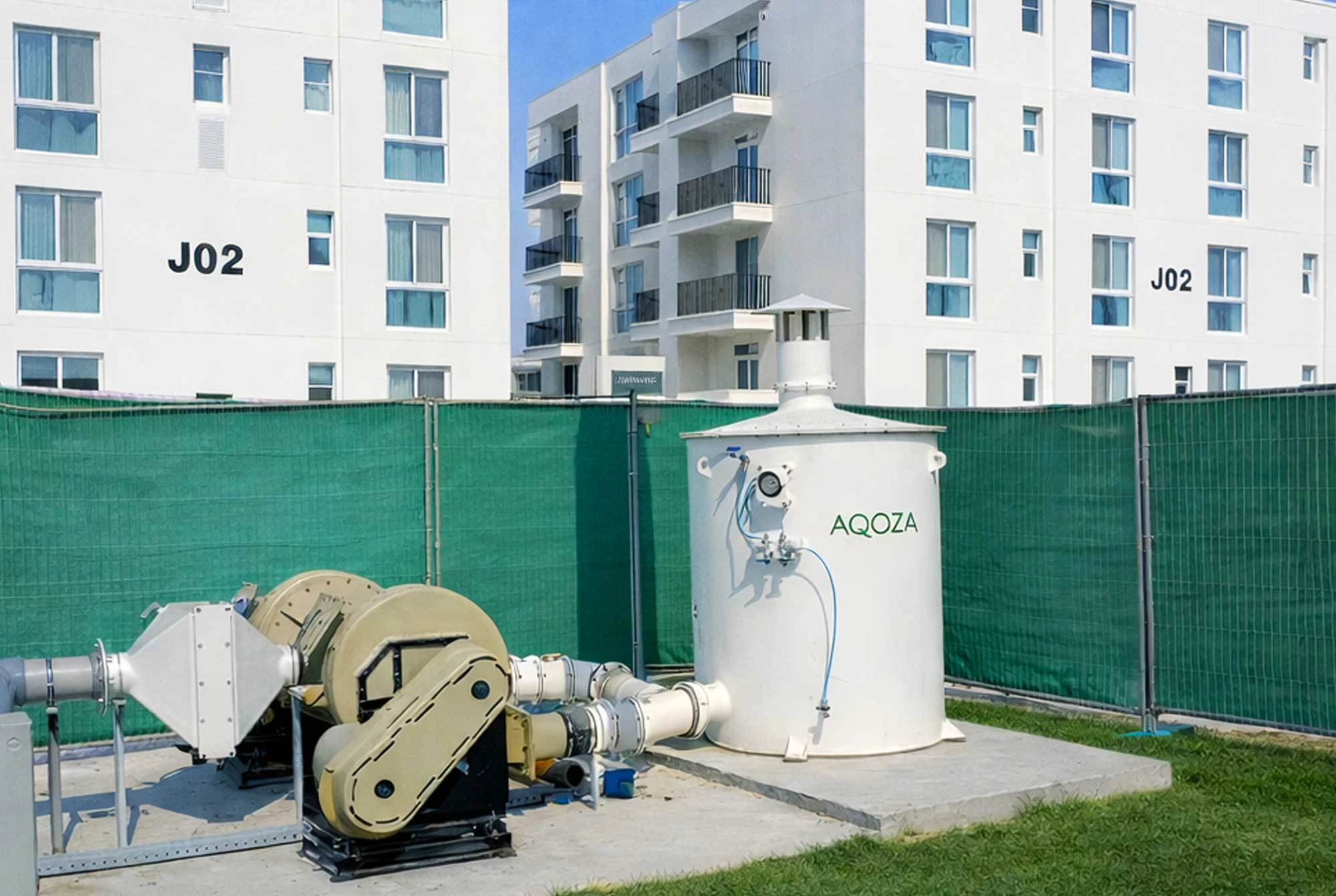
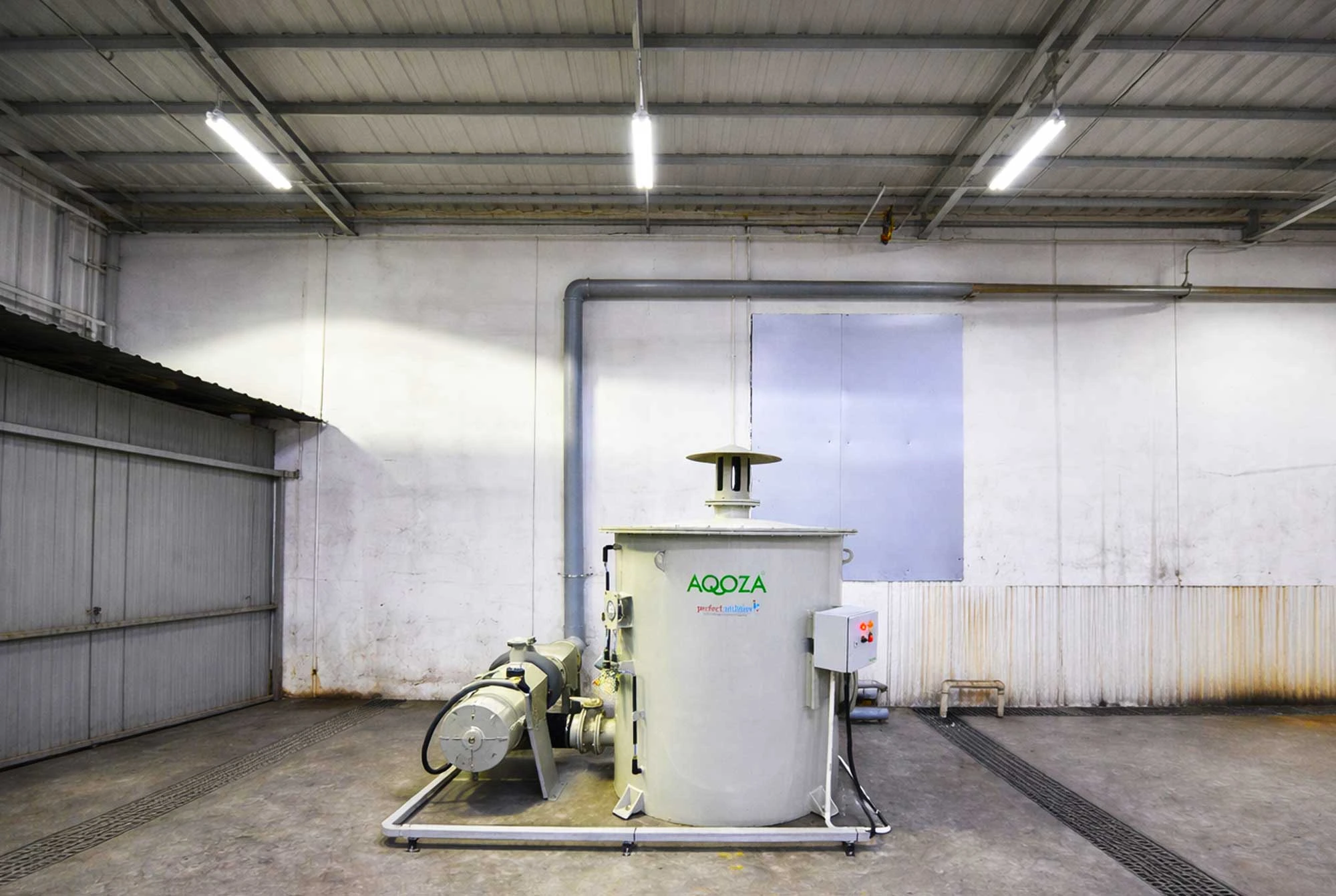
Corrosion Control addresses the root cause by removing corrosive gases from the air before they reach sensitive electronics. AQOZA Corrosion Control Units (CCU) use multi-stage filtration, including chemical filters with specially impregnated activated carbon media, to continuously recirculate and purify indoor air, maintaining corrosivity levels within the G1 Mild classification required for safe electronic operation.
Together, monitoring and control create a closed-loop corrosion management system: monitor to know your risk, control to eliminate it, and monitor again to verify performance. Facilities that operate without either of these functions are essentially running blind, exposing millions of dollars worth of critical infrastructure to a threat that is entirely preventable.
The good news is that with the right combination of corrosion monitoring and gas phase filtration, any facility can maintain a G1 Mild environment regardless of its location or operating conditions, protecting critical assets, ensuring uptime, and extending the life of expensive electronic equipment.
AQOZA Technologies offers a complete range of corrosion monitoring and control solutions tailored for data centers, control rooms, and server rooms. From initial site surveys using passive coupons to real-time active monitoring and continuous air purification, AQOZA provides the tools and expertise to keep your facility corrosion-free. Contact our experts now.
ALSO READ
- How To Protect Data Centers From Harmful Gases?
- Why Clean Air is Necessary for Critical Medical Equipment to Survive?